Land Clearing Mastery: Techniques for Achieving Pristine Grounds Nov 29, 2025
Land clearing involves the removal of trees, stumps, brush, stones, and other obstacles, allowing for the preparation of ground for development. This process is crucial for projects like building homes or commercial spaces, as well as cultivating farmland. A clear understanding of different land clearing techniques can help determine the most suitable approach for your property.
One of the primary techniques in land clearing is cutting and grinding. This method involves cutting down trees and bushes before grinding them into mulch. This creates a clear, nutrient-rich ground, ready for further development or planting. It is particularly beneficial in areas where it’s essential to prevent erosion as the mulch helps stabilize the soil. Cutting and grinding require specialized machinery to ensure precision and safety, both of which are key aspects of our service at American Multi Crafters Inc.
For larger properties or when time is critical, bulldozing is another effective land clearing technique. While it might be less selective than cutting and grinding, this method is efficient for removing large amounts of vegetation and debris quickly. Bulldozing is suitable for sites that will undergo extensive future landscaping or construction, where contouring the land is part of the process. However, the usage of heavy machinery necessitates an experienced operator to prevent unwanted destruction or soil disruption.
Another eco-friendly land clearing approach is controlled burning. This method involves the supervised burning of vegetation, which can quickly clear a large area. Controlled burning reduces waste by converting plants into nutrient-rich ash that benefits the soil. It is essential to execute this method under strict safety guidelines to prevent unforeseen hazards. When employed correctly, it can be a cost-effective and ecological method of land clearing.
Selective cutting is a technique where only specific trees and vegetation are removed, preserving certain areas of the landscape. This strategy is excellent for sites requiring minimal environmental impact or where preserving particular flora is necessary. Selective cutting promotes ecosystem balance while preparing the land for subsequent use. This method requires careful planning and skilled execution to maintain ecological integrity.
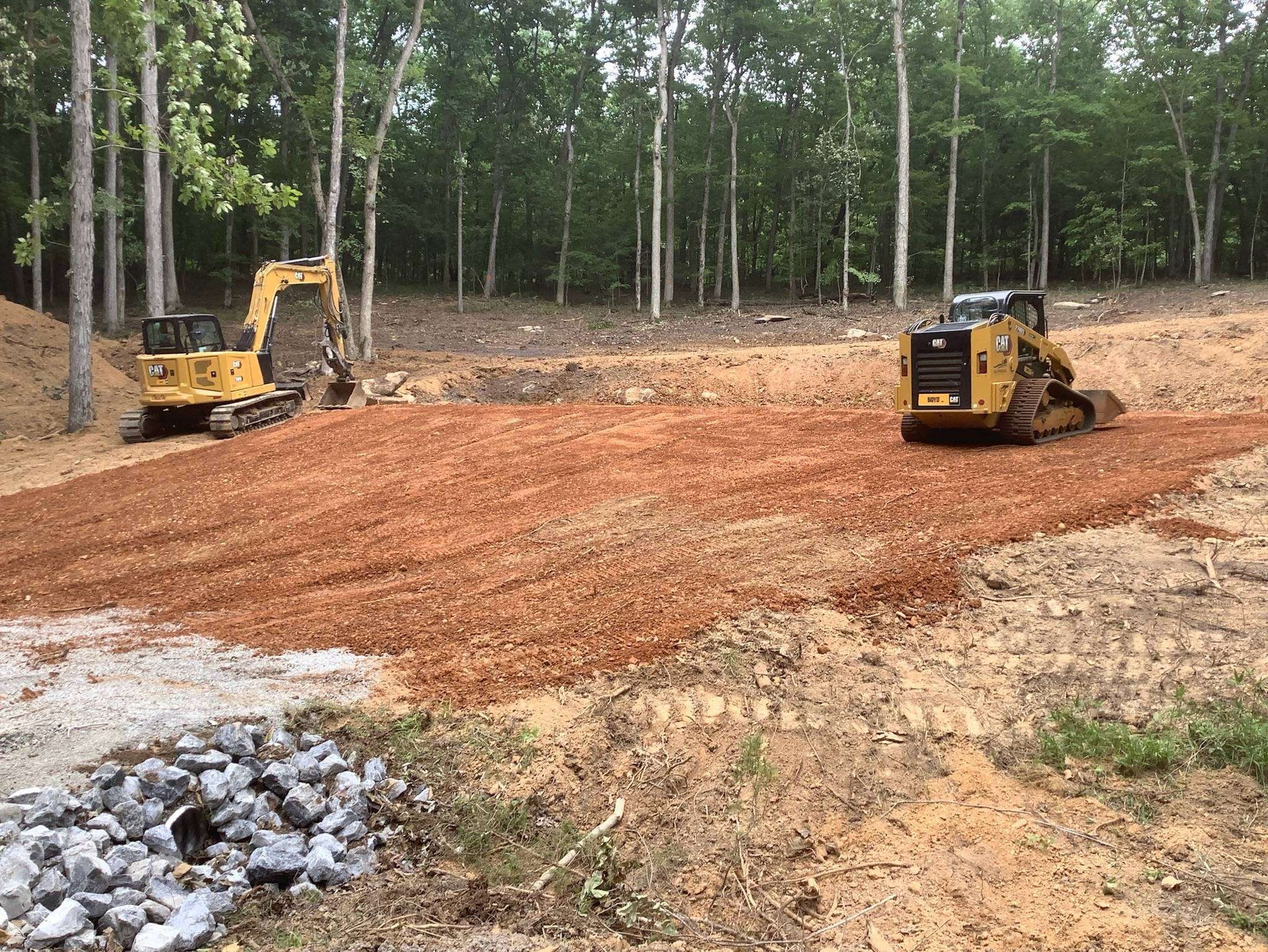
At American Multi Crafters Inc., we incorporate land grading into our clearing procedures. Land grading is the process of leveling or contouring the land post-clearing, ensuring proper drainage and soil stability. Proper grading prevents water pooling and prepares the land for immediate or future use. Our experts ensure that grading is seamlessly integrated into the clearing process, allowing for effective landscape or construction plans.
Successful land clearing requires a blend of knowledge, technology, and environmental consideration. By mastering these techniques and choosing the appropriate method for each unique site, property owners can achieve the pristine grounds necessary for their projects.
In conclusion, each land clearing technique has its advantages and considerations. With American Multi Crafters Inc., you are assured of a professional approach that balances efficiency, effectiveness, and environmental stewardship. Whether you are preparing for construction or simply wish to revitalize your property, understanding these methods is the first step towards transforming your land into pristine grounds.
/filters:no_upscale()/filters:format(webp)/media/0c681176-5685-400e-9474-85ee01f5b098.jpeg)